Should a Chair Yoga Session Focus on Breathing or Movement? It Depends on the Day
Chair yoga gets treated as one uniform practice, but a session built around breathing and one built around movement serve genuinely different purposes, and picking the wrong one for a given day’s energy or mental state can leave a session feeling like it missed the mark.
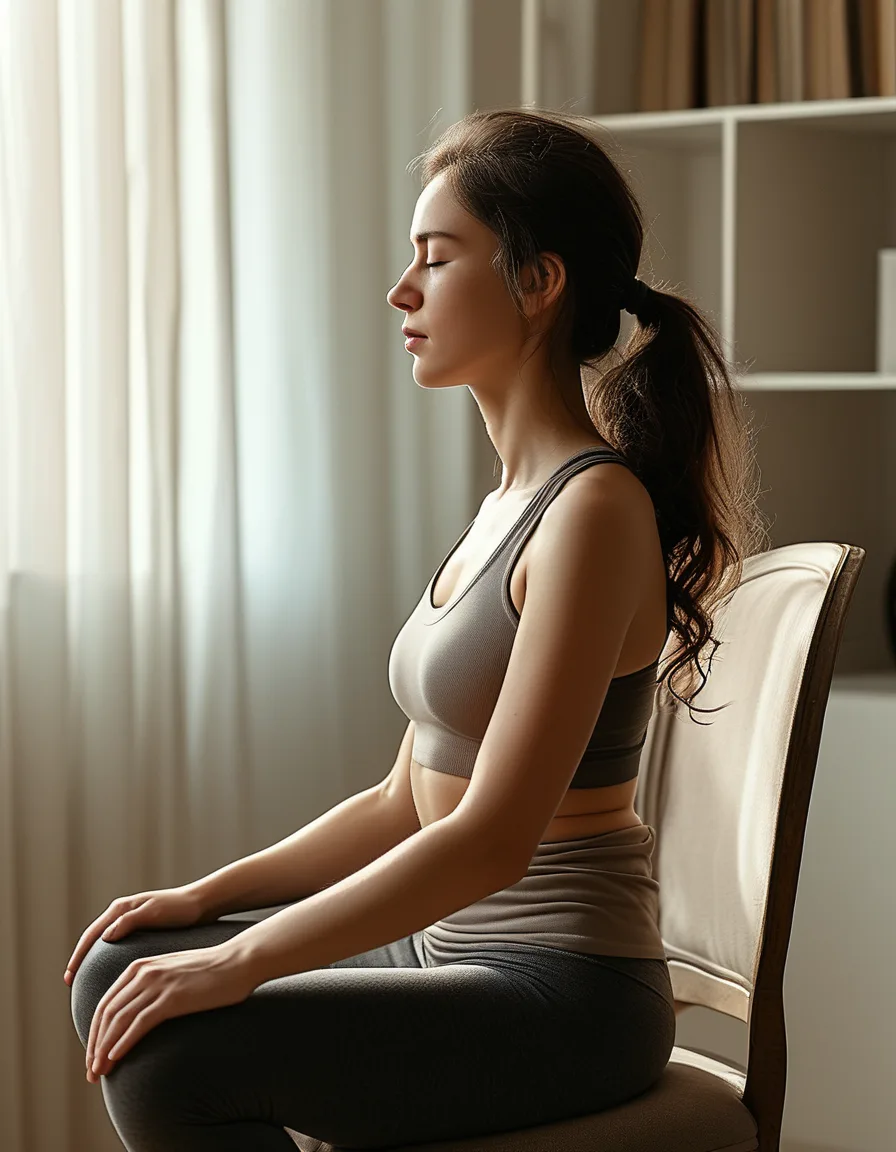
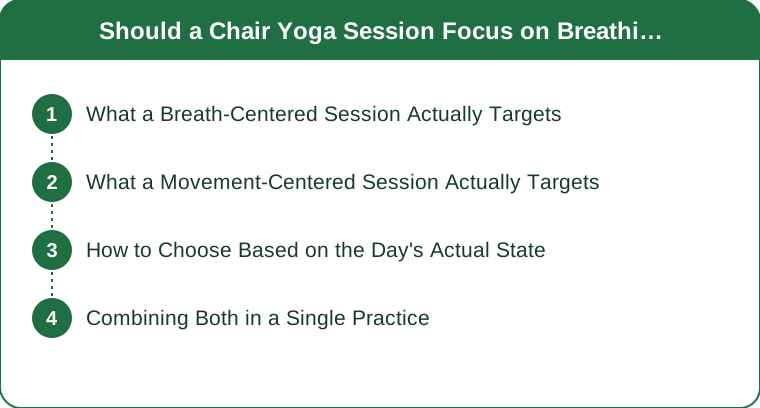
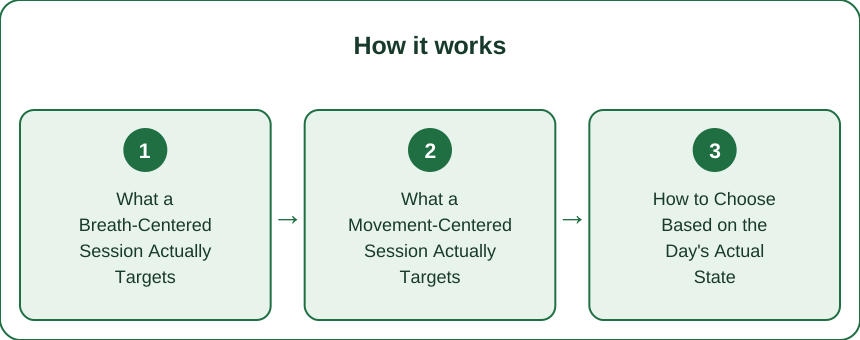
What a Breath-Centered Session Actually Targets
The focus: the the-nervous-system-regulation-priority (a breath-centered session prioritizing nervous system regulation directly, using slow, controlled breathing patterns to shift the body toward a calmer physiological state rather than building physical capacity), the the-minimal-physical-exertion-by-design (breath-focused sessions intentionally involving minimal physical movement, making them appropriate even on days with significant fatigue, pain, or low physical capacity), the the-mental-clarity-and-focus-benefit (the slower pace of a breath-centered session supporting mental clarity and present-moment focus more directly than a movement-heavy session typically does)).
What a Movement-Centered Session Actually Targets
The focus: the the-joint-mobility-and-circulation-priority (a movement-centered session prioritizing joint mobility, circulation, and muscular engagement, addressing physical stiffness or low activity levels more directly than breathing work alone can), the the-gradual-strength-and-endurance-building (movement-focused chair yoga building modest but real strength and endurance over time through repeated, consistent practice, a benefit breath-only sessions don’t provide), the the-energizing-effect-versus-calming-effect (movement-centered sessions tending to have a mildly energizing effect, making them more suitable for a day when the goal is combating sluggishness rather than settling anxiety).
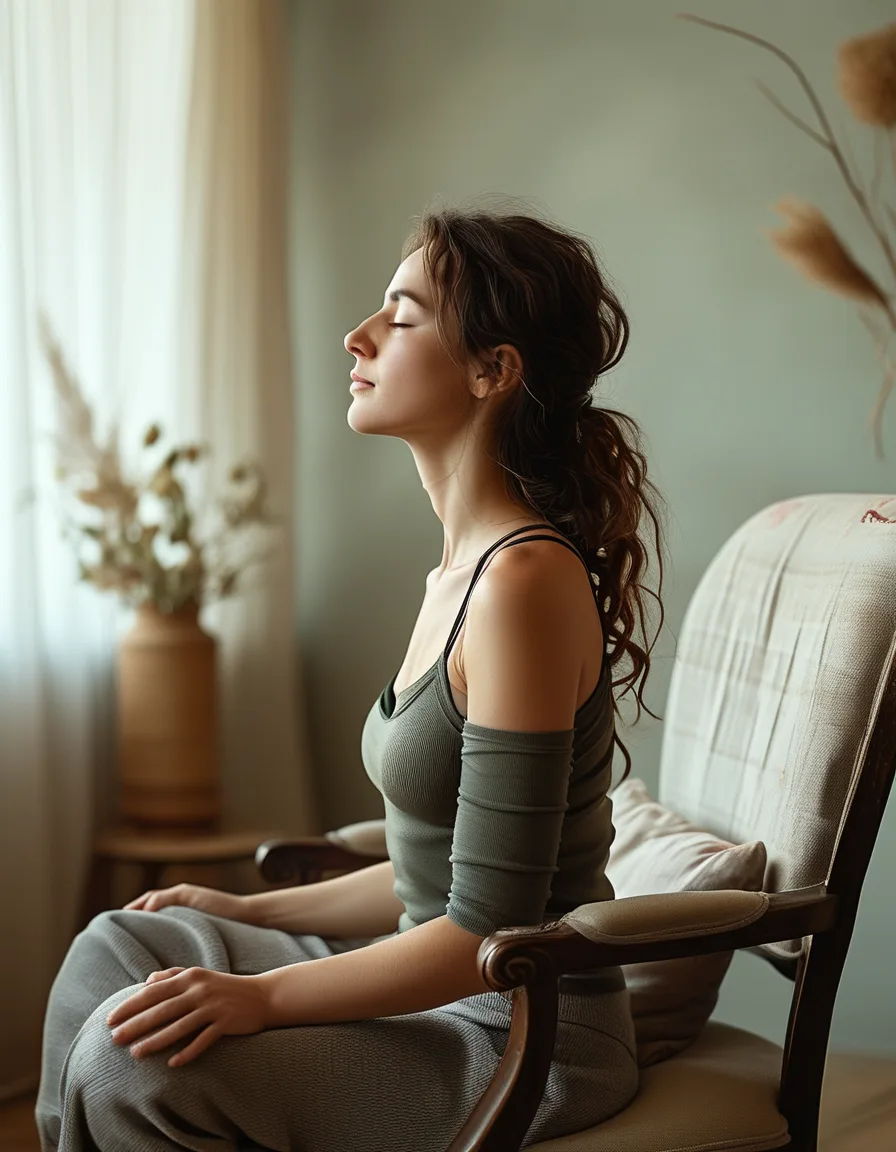
How to Choose Based on the Day’s Actual State
The decision framework: the the-high-anxiety-or-overwhelm-days (a day marked by anxiety, overwhelm, or racing thoughts generally benefiting more from a breath-centered session, since the nervous system regulation is the more urgent need that day), the the-physical-stiffness-or-low-activity-days (a day marked mainly by physical stiffness or several hours of sedentary time generally benefiting more from a movement-centered session addressing the physical need directly), the the-low-energy-fatigue-consideration (genuine physical fatigue or illness generally calling for a gentler, breath-centered approach even if the underlying issue feels more physical than mental, since pushing movement during real fatigue can be counterproductive).
Combining Both in a Single Practice
The blended approach: the the-breathing-as-a-warm-up-to-movement (starting a session with several minutes of breath-centered work before transitioning into gentle movement, using the breathing phase to assess the day’s actual state before committing to a full movement session), the the-movement-cool-down-with-breath-focus (ending a movement-centered session with a few minutes returning to breath-focused work, allowing the nervous system to settle after physical exertion rather than ending abruptly), the the-flexibility-over-rigid-structure (treating the breath-versus-movement choice as a flexible daily decision rather than a fixed weekly schedule, since physical and mental state can shift meaningfully from one day to the next), and the frame (a breath-centered chair yoga session targets nervous system regulation and works well on high-anxiety or low-energy days, while a movement-centered session targets stiffness and mild energizing effects and works well on physically sedentary days — checking in with the day’s actual state before choosing, rather than defaulting to the same session type every time, gets more out of either approach.)
Chair yoga gets treated as one uniform practice, but a session built around breathing and a session built around movement serve genuinely different purposes and can leave a practice feeling mismatched when the wrong one gets chosen for a given day. A breath-centered session prioritizes nervous system regulation directly through slow, controlled breathing, involves minimal physical exertion by design, and supports mental clarity in a way that makes it appropriate even on days with real fatigue, pain, or low physical capacity, while a movement-centered session prioritizes joint mobility, circulation, and modest strength building over time, carrying a mildly energizing effect that suits a day focused on combating sluggishness rather than settling anxiety. The more useful approach is checking in with the day’s actual state before choosing: a day marked by anxiety, overwhelm, or racing thoughts generally calls for the breath-centered option since nervous system regulation is the more urgent need, while a day marked mainly by physical stiffness or hours of sedentary time calls for the movement-centered option instead, and genuine physical fatigue or illness generally still calls for the gentler breath-focused approach even when the underlying issue feels more physical than mental. Combining both within a single practice works well too, starting with a few minutes of breath-centered work to assess the day’s state before easing into movement, or ending a movement-centered session with a return to breathing to let the nervous system settle rather than ending abruptly.
See It in Motion
Seen here: High Waist Yoga Leggings with Inner Pocket — shop it on bubblelime.com
Keep Reading
This article is for general informational purposes only and is not medical advice. Always consult a qualified health professional for guidance specific to you.